
Measured Depth Before Replenishment
We measure infill depth at multiple points before adding material—surface appearance does not reliably indicate the actual infill condition at traffic zone depth.
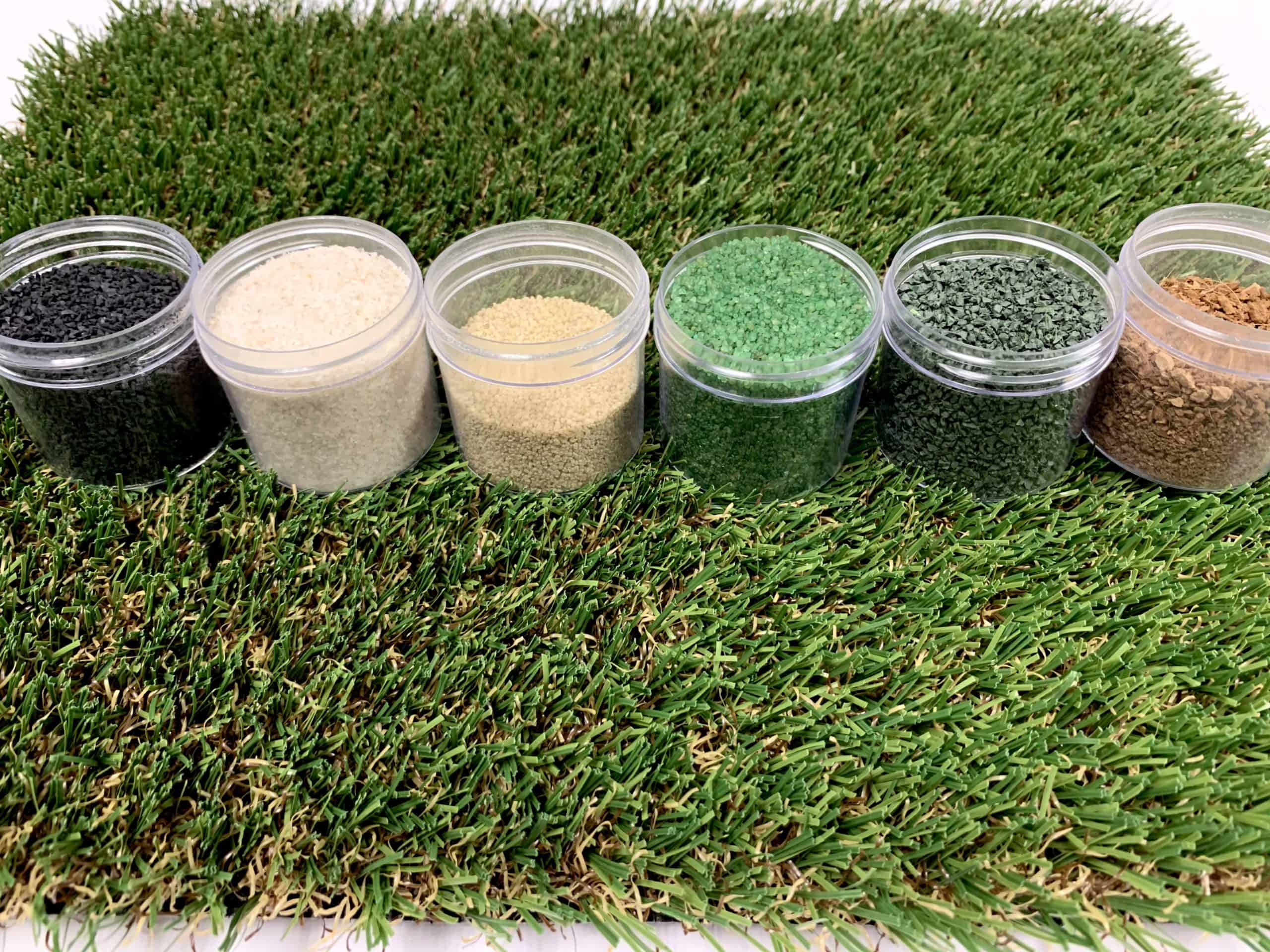
Service Detail
Infill is the working layer of an artificial turf system—it supports the pile, cushions foot impact, and maintains drainage velocity through the backing. In Carrollton's high-use residential and commercial environments, infill migrates toward low-elevation edges and compacts at primary traffic zones, degrading surface performance well before the pile fiber reaches end of life.
Overview
Infill is the working layer of an artificial turf system—it supports the pile, cushions foot impact, and maintains drainage velocity through the backing. In Carrollton's high-use residential and commercial environments, infill migrates toward low-elevation edges and compacts at primary traffic zones, degrading surface performance well before the pile fiber reaches end of life.
Infill depth at a primary traffic zone—the path from a back door to a pool gate, the approach to a play structure, the central run in a pet yard—depletes faster than the surrounding surface because foot compression both compacts the material in place and displaces it laterally toward less-trafficked areas. A surface that started with the design infill depth and has been in service for two years will typically show a 20 to 40 percent infill deficit at high-traffic locations, even if the surface looks acceptable from standing height. That deficit is the difference between a pile that recovers upright after use and a pile that stays flat.
Infill replenishment in Carrollton's mid-century residential yards is frequently paired with grooming because the two needs coincide. When organic debris from oak and pecan canopy has been allowed to compact into the pile, it displaces infill laterally and creates a false-floor effect where the pile appears supported but the infill layer is shallow. Removing the compacted debris through power grooming exposes the actual infill depth condition, at which point we measure and replenish to design depth. Replenishing over unremoved debris produces an over-depth surface that looks correct but has poor drainage performance.
For commercial properties on Carrollton's Belt Line Road corridor, infill replenishment at concentrated pedestrian zones is part of the maintenance cycle that prevents the visible pile compression that signals a neglected landscape to retail visitors. We map replenishment zones by foot traffic concentration rather than spreading additional material uniformly—targeted replenishment keeps cost proportional to the actual wear pattern.
Where This Work Delivers Value
Scope is tailored to property layout, usage, and existing site conditions.
We measure infill depth at multiple points before adding material—surface appearance does not reliably indicate the actual infill condition at traffic zone depth.
Replenishing infill over compacted organic debris produces an inaccurate reading and poor drainage. Grooming precedes replenishment when debris is present.
Replenishment material is concentrated at identified high-traffic zones rather than distributed uniformly, keeping cost proportional to the actual wear pattern.
Benefits
What you gain from a well-planned installation.
Adequate infill depth at traffic zones allows pile fiber to return to upright after foot compression—the visible difference between a maintained and an unmaintained surface.
Infill depth is the primary cushioning variable in an artificial turf system. Replenishing to design depth restores the impact absorption the surface was designed to provide.
Infill at design depth keeps the backing system operating at its designed permeability rate—infill deficit or debris contamination both reduce drainage velocity below design specification.
Process
How we move from planning through final walkthrough.
We probe infill depth at the primary traffic zone, midfield, and low-elevation edge locations to create an accurate deficit map before ordering replenishment material.
When debris contamination is present, counter-rotating brush grooming removes compacted material before infill is added—so the replenishment reaches the backing layer rather than sitting on top of debris.
Replenishment material is spread by zone according to the deficit map. Material is worked into the pile with a power broom to reach the backing layer at design depth.
Depth is re-measured after replenishment to confirm the design depth is achieved. The surface is brushed to set pile direction and settle the added material evenly.
FAQ
Common questions about this service.
The most visible sign is pile that stays flat after foot traffic rather than returning to upright. You may also notice that the surface feels harder underfoot than it did when new, or that water takes longer to drain through the surface after rain. Any of these conditions is consistent with infill deficit and warrants a depth assessment.
We match the original infill type where possible and appropriate. If the original installation used SBR crumb rubber and the yard doesn't have a specific heat or sanitation concern, we continue with SBR. If conditions warrant an upgrade—a pet yard with a heat concern, for example—we discuss infill type options and their relative properties before making a selection.
Replenishment without a prior depth assessment is guesswork. Spreading material without knowing the actual deficit at traffic zones results in either over-application at zones that don't need it or under-application at zones that do. The measurement step takes 20 to 30 minutes and is not optional if the replenishment is going to produce a correctly performing surface.
Related
Explore other turf services we offer.
Coverage
This service is available across Carrollton and neighboring locations.
Share property details and we will follow up with planning options.
Submit project details and we will reach out with next steps.